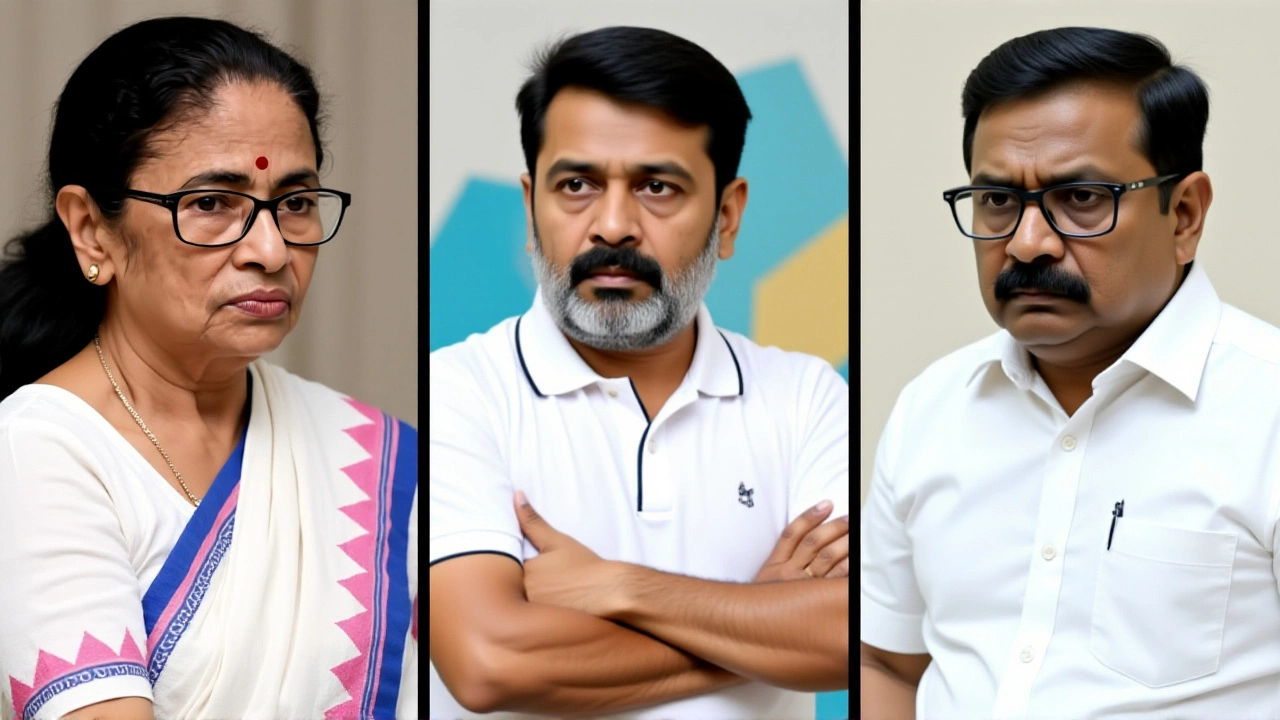
The political landscape in India is shifting beneath our feet. Following recent assembly elections, the INDIA bloc, the grand coalition of opposition parties, is facing a serious identity crisis. It’s not just about who won or lost seats; it’s about who stays in the tent and who walks out.
In West Bengal and Tamil Nadu, power has changed hands. But the real story isn’t on the ballot papers—it’s in the backrooms where alliances are being renegotiated. Here’s the thing: the dynamics between major players like the Congress, Trinamool Congress (TMC), DMK, and Aam Aadmi Party (AAP) have flipped dramatically since May 25, 2026.
The Great Realignment
Turns out, loyalty in Indian politics is often transactional, and the latest election results have forced everyone to recalculate their odds. The most striking shift involves two key regional giants moving in opposite directions.
Mamata Banerjee, the veteran leader of the Trinamool Congress, had been hovering on the brink of leaving the alliance. Her party was practically outside the fold, skeptical of national leadership strategies. But now? She’s stepping back inside. Analysts suggest that retaining power in West Bengal gave her the leverage she needed to re-enter the conversation on her own terms. She’s not fully committed, but she’s no longer an outsider looking in.
The twist is what happened to the Aam Aadmi Party. Once considered a partial insider—playing along with the broader anti-BJP narrative—the AAP has now moved completely out. "From slightly inside to totally outside," is how one observer put it. This isn’t just a tactical pause; it signals a fundamental break in trust with the central coordination of the INDIA bloc.
Who Holds the Cards Now?
This shuffle leaves the national leadership in a precarious spot. Rahul Gandhi, the face of the Indian National Congress, faces a tough balancing act. He needs Mamata’s muscle in the East, but he can’t afford to alienate the urban vote banks that the AAP once helped secure.
Meanwhile, in the South, the Dravida Munnetra Kazhagam (DMK) remains a steady partner, though its stance is evolving. With power shifts in Tamil Nadu, the DMK is recalibrating its support for national campaigns. The question isn’t whether they’ll oppose the ruling party—that’s certain—but how closely they’ll align with Delhi-centric strategies.
It’s a messy picture. You’ve got parties coming in, others going out, and everyone watching to see who blinks first. The details of these negotiations are still unclear, but the direction is obvious: the monolithic opposition front is fragmenting into smaller, more volatile blocs.
The BJP Factor
Despite the internal chaos, there’s one unifying force: the desire to counter the Bharatiya Janata Party (BJP). Reports indicate that even amidst this fragmentation, opposition leaders are signaling the start of a new movement against the BJP. It’s vague, sure, but the intent is clear.
Why does this matter? Because a divided opposition usually means a stronger incumbent. If the INDIA bloc can’t present a unified front, the BJP could exploit these rifts in upcoming state elections. The stakes couldn’t be higher. Voters are watching, and they’re noticing the cracks.
What’s Next for Indian Politics?
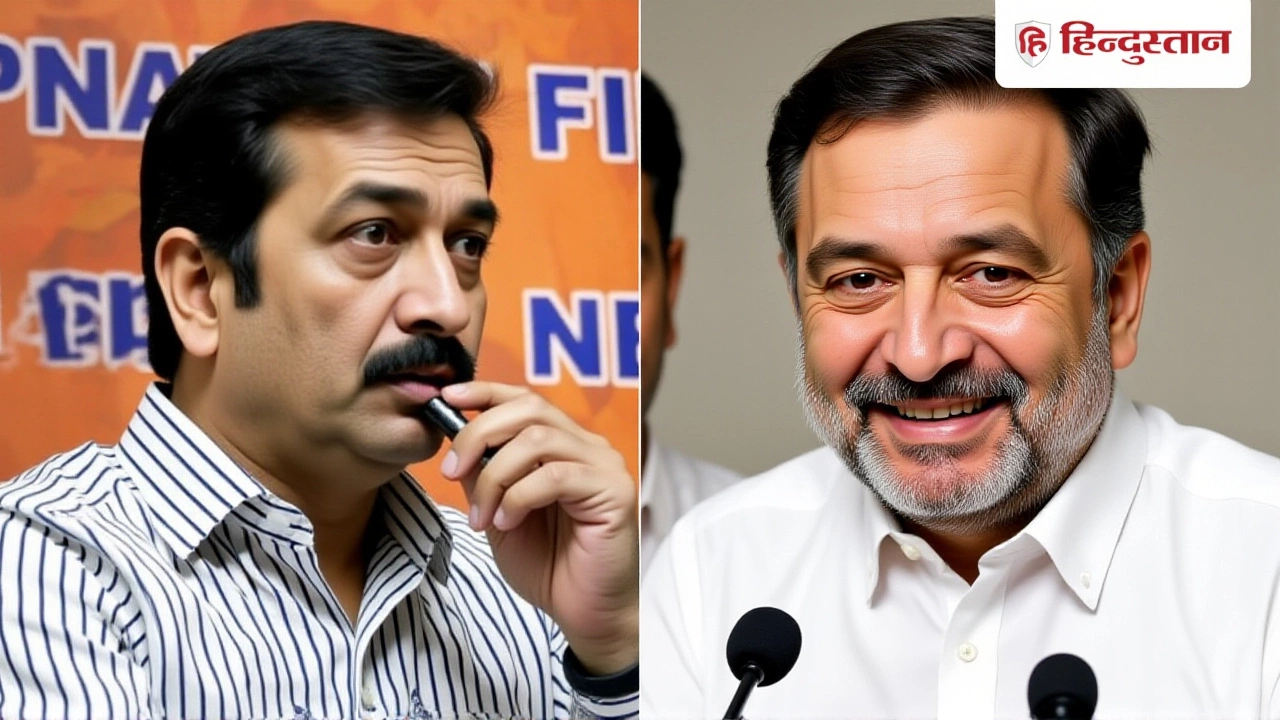
We’re likely to see more defections, more conditional alliances, and less ideological cohesion. The era of the grand, all-encompassing opposition coalition might be ending. In its place, we’ll probably see issue-based partnerships that form and dissolve quickly.
For now, keep an eye on West Bengal and Tamil Nadu. These states are the bellwethers. If Mamata Banerjee decides to pull out again, or if the AAP finds a new ally, the entire map could redraw itself overnight. The next few months will tell us whether the opposition can heal its wounds—or if it’s too late.
Frequently Asked Questions
Why is the Aam Aadmi Party leaving the INDIA bloc?
The AAP’s exit appears driven by strategic disagreements over seat-sharing and campaign focus. After mixed results in recent polls, the party may feel it can achieve better outcomes independently rather than compromising within a larger, unwieldy coalition. This move reflects a growing trend of regional parties prioritizing local mandates over national unity.
How does Mamata Banerjee’s return affect the alliance?
Mamata Banerjee’s re-engagement strengthens the bloc’s presence in Eastern India, particularly West Bengal. However, her history of independent action suggests she will operate with significant autonomy. Her return provides short-term stability but raises long-term questions about the bloc’s ability to enforce discipline among its members.
What role does Rahul Gandhi play in this realignment?
As the de facto coordinator of the opposition, Rahul Gandhi must navigate these fractures carefully. His challenge is to maintain enough cohesion to challenge the BJP nationally while respecting the regional ambitions of leaders like Mamata Banerjee. His success will depend on his ability to negotiate compromises without appearing weak.
Is the INDIA bloc permanently fractured?
Not necessarily permanently, but significantly weakened. Political alliances in India are fluid and often reform around specific electoral cycles. While the current structure is unstable, the shared goal of defeating the BJP may eventually bring these parties back together, albeit in a looser, less formal arrangement.



Write a comment